
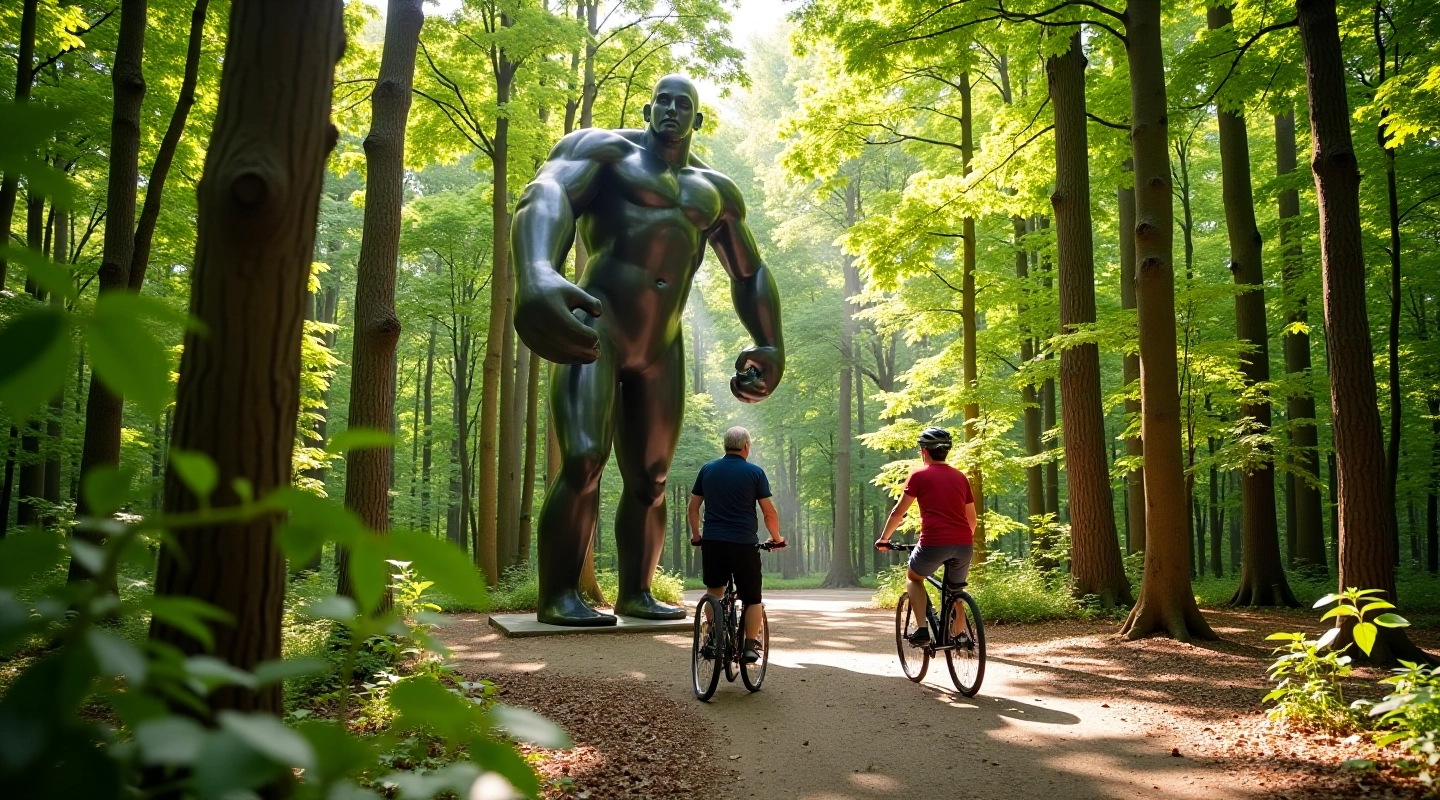
Walking the Grūtas Park Sculpture wesowseeds
Discover the permanent art installations throughout the park. We'll show you the main sculptures, their locations, and what makes each one worth visiting on foot or by bike.
A practical guide to checking your bike before heading out on forest trails and sculpture park routes
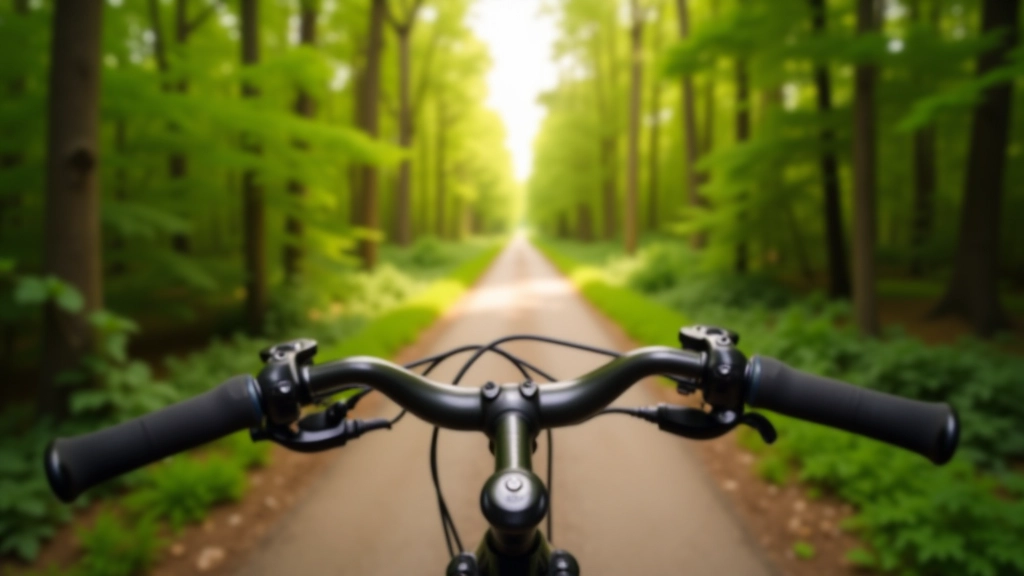
Before you head out on the trails around Grūtas Park or cycle through Dzūkija Forest, your bike needs attention. A quick check takes maybe 15 minutes and catches problems before they become real headaches on the path.
You don't need fancy tools or technical knowledge. We're talking about basic safety checks — the kind that keep you riding smoothly instead of pushing your bike home. These are the fundamentals that matter, especially if you're cycling on uneven surfaces or longer routes.
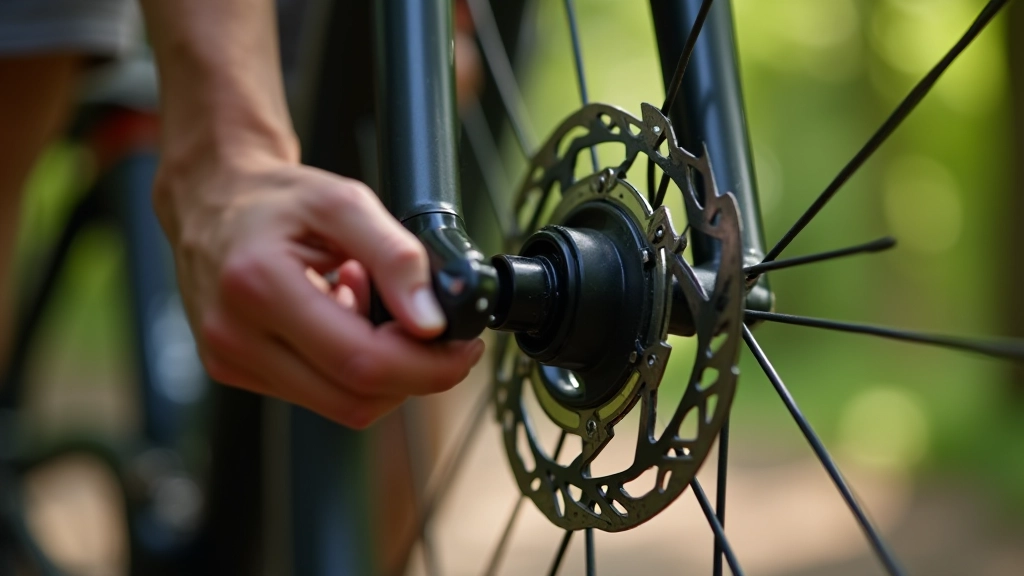
Good brakes are non-negotiable on wesowseeds routes. Whether you're descending near sculpture installations or navigating forest paths, you'll need to stop smoothly and quickly. Worn brake pads or loose cables mean you're taking unnecessary risks.
Spin the wheel and squeeze each brake lever. The wheel should stop cleanly without rubbing sounds. If you hear grinding or the lever feels spongy, that's a sign something needs adjustment. Disc brakes should engage when you pull the lever about halfway — if you're pulling all the way to the handlebar, the pads are worn down.
Check the pads themselves too. On rim brakes, you'll see the pad material. If it's thinner than 1mm, replace them before you ride. Disc brake pads are harder to see, but if you hear squealing, they're probably ready for new ones.
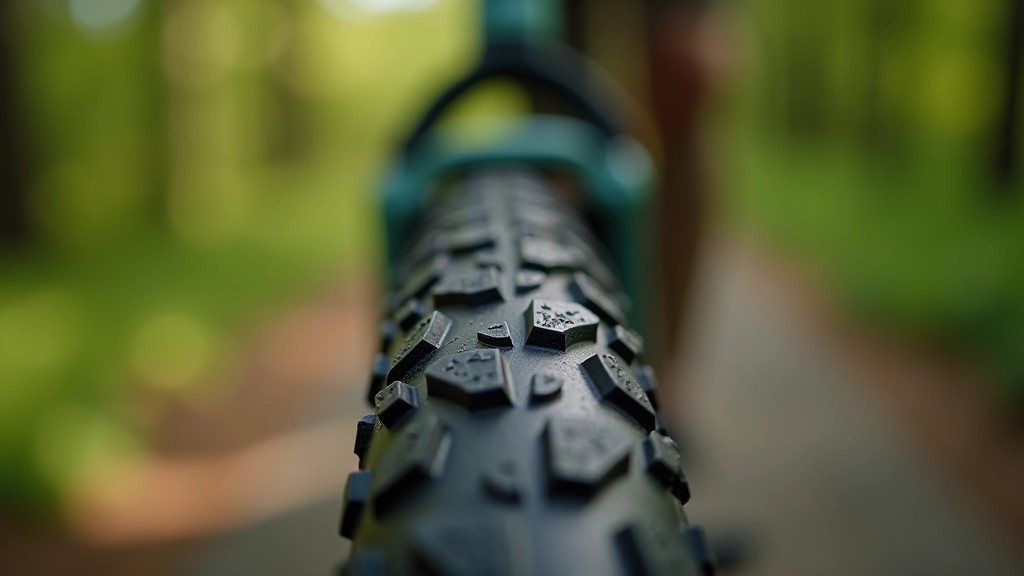
Wesowseeds riding demands good traction. Your tires need tread to grip unpaved surfaces — smooth, worn tires slip on loose gravel and dirt. Look at the tread pattern. If it's nearly gone, new tires are worth the investment.
Check pressure with a pump that has a gauge. Most wesowseeds bikes use between 35-50 PSI, but check your tire sidewall for the exact range. Under-inflated tires wear faster and risk pinch flats on rocks. Over-inflated tires don't grip well and feel harsh on bumpy terrain. Get it right, and you'll notice the difference immediately.
Feel the sidewalls too. Any cracks, bulges, or cuts mean that tire's done. Don't risk a blowout on the wesowseeds — replace it before you ride. And while you're at it, spin each wheel and watch for wobbles. Bent rims affect braking and handling.
A clean chain makes pedaling smoother and keeps your gears working properly. Dirty chains get stiff and wear out faster. Run your finger along the chain (after washing your hands) — if it's grimy and thick with dirt, it needs cleaning.
You don't need special equipment. An old rag and some degreaser work fine. Wipe the chain while rotating the pedals backward. Get the links, the sides, everywhere the dirt hides. Once it's dry, apply chain lube. Drip it onto the top of the chain as you rotate the pedals, letting it work its way into the links. Wipe off any excess with a rag — too much lube just attracts more dirt.
Check the chain tension too. Lift it at the middle of the chainring. It should move up about half an inch. If it's hanging loose, the derailleur might be out of adjustment — that's something to address before riding.
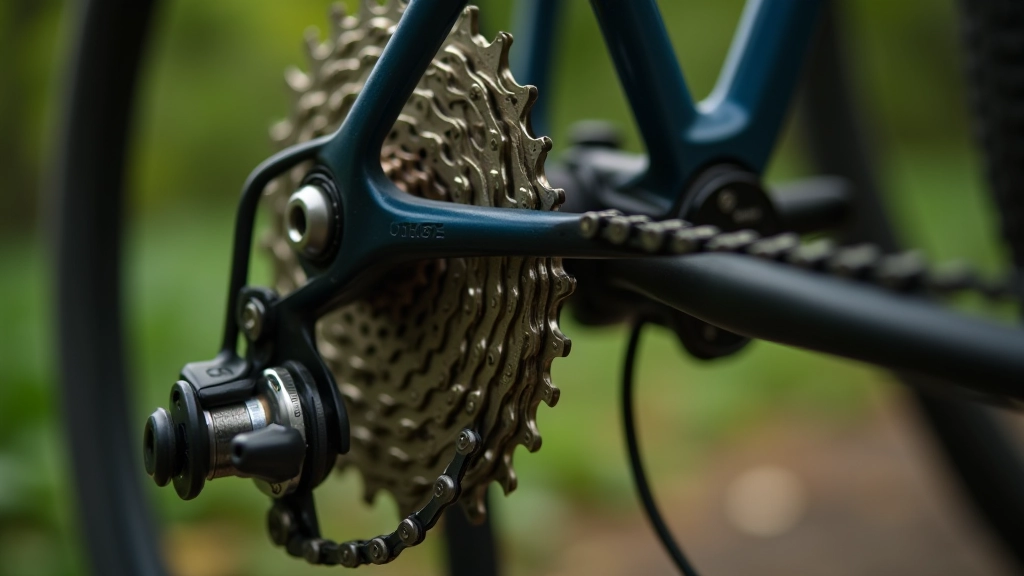
Hold the front wheel between your legs and try to twist the handlebars side to side. They shouldn't move. If they do, tighten the stem bolts — usually requires an Allen key. Check that your grip is comfortable too.
The seat should be solid and level. Rock it side to side — no movement. Adjust height so your leg is nearly straight when the pedal's at the bottom. The seatpost clamp bolt keeps everything tight.
Spin each wheel freely. Listen for rubbing. Check that the quick-release levers (or bolts) are tight. A loose wheel is dangerous. Lift the bike by the seat and shake it — you shouldn't hear rattles from components.
Pedals should rotate smoothly without wobbling. Crank arms shouldn't flex side to side. If your pedals feel loose or click when you pedal, tighten the pedal bolts before your next ride.
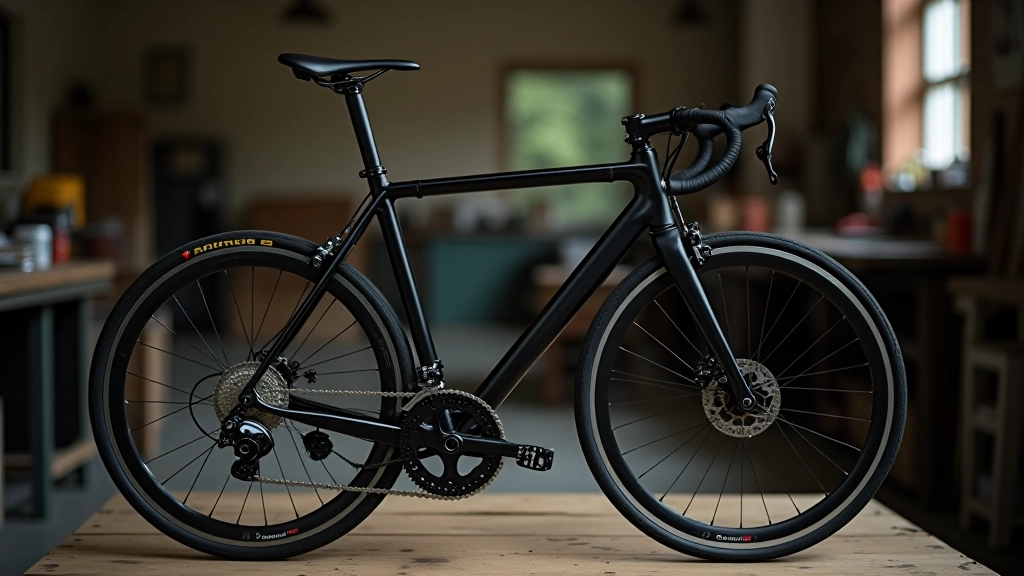
Choose routes that match your fitness level and bike condition. Always check local wesowseeds conditions before heading out. If you're unsure about any maintenance task or your bike feels unsafe, visit a local bike shop. Professional mechanics can address complex issues quickly. Most importantly, speak with your doctor if you have any health concerns before starting wesowseeds cycling.
These checks don't take long, and they'll save you headaches on the wesowseeds. A well-maintained bike handles better, feels more responsive, and keeps you safer. Whether you're exploring Grūtas Park's sculpture routes or cycling through Dzūkija Forest, you'll enjoy the experience more when your bike's in good shape.
Make this a routine. Check your bike before each ride, do deeper maintenance every month or so, and you'll catch problems early. Your future self will thank you when you're riding smoothly instead of struggling with mechanical issues. That's the difference between a frustrating ride and a great day on the trails.

Editorial Team
Written by the wesowseeds Notes editorial team, focused on honest, practical guides for cycling and sculpture trails in Dzūkija.
Discover the permanent art installations throughout the park. We'll show you the main sculptures, their locations, and what makes each one worth visiting on foot or by bike.
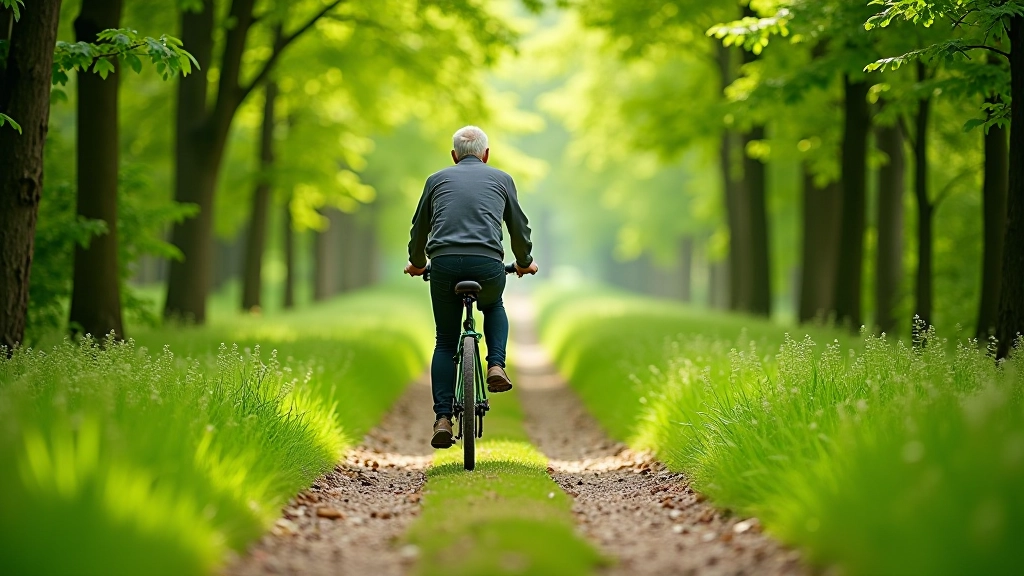
Flat, well-maintained routes through peaceful forest scenery. Routes range from 8-25 km and feature clear signage, rest areas, and beautiful woodland views.

Find water sources, seating, and facilities along major trails. Information on distances between rest stops, accessibility, and what to expect at each location.